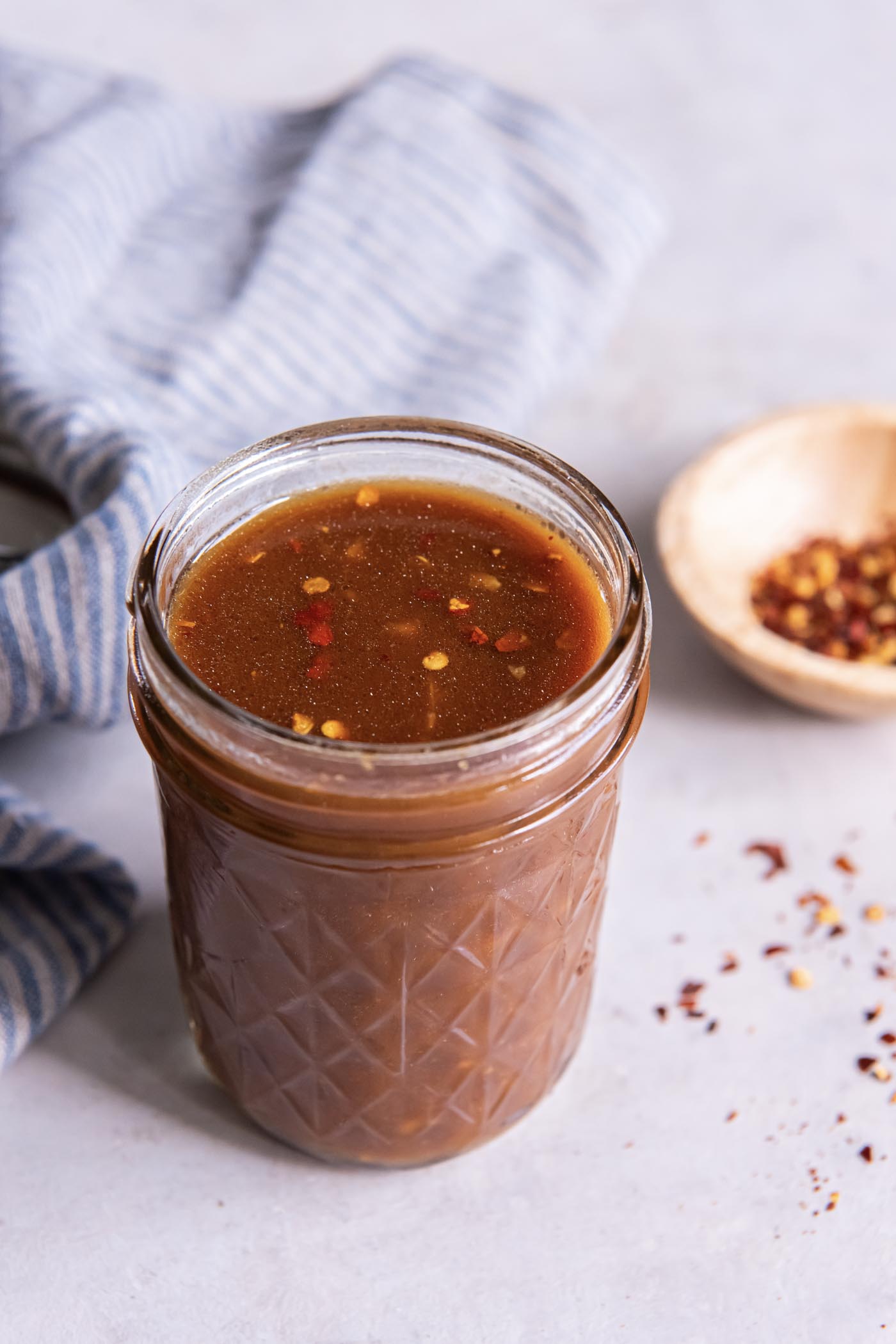
Unlock a World of Flavor: Why DIY Your Stir Fry Sauce?
Tired of bland weeknight dinners or relying on expensive, preservative-laden store-bought sauces? Imagine a meal that’s not only bursting with fresh flavors but also completely under your control, from ingredients to cost. That’s the magic of mastering your own `stir fry sauce recipe` at home. It’s a culinary game-changer that transforms ordinary ingredients into an extraordinary feast with minimal effort. Making your own sauce from scratch offers a multitude of benefits that packaged alternatives simply can't match:- Unparalleled Ingredient Control: This is arguably the biggest advantage. When you prepare your own sauce, you dictate exactly what goes into it. Concerned about excessive sodium? Opt for low-sodium soy sauce. Want to reduce sugar intake? Adjust the brown sugar or use a natural alternative. Avoiding artificial flavors, colors, or preservatives? Homemade sauce eliminates them entirely. This control means you can craft a sauce that perfectly aligns with your dietary needs and health goals, making for a healthier stir fry every time.
- Significant Cost Savings: Glance at the price tag of a decent stir fry sauce at the grocery store, then consider the cost of basic pantry staples like soy sauce, brown sugar, and cornstarch. You’ll quickly realize that individual ingredients, used in small quantities, are far more economical in the long run. A single batch of homemade sauce costs pennies compared to a bottle from the store, allowing you to `save money` without sacrificing flavor.
- Superior Freshness and Taste: There’s an undeniable vibrancy to freshly made sauces. The ginger zings, the garlic hums, and the spices sing with an intensity that pre-bottled versions often lack. This freshness translates directly into a more dynamic and satisfying meal. You'll never have to wonder "what's for dinner?" again, because a simple shake of your homemade stir fry sauce can elevate just about anything – from random fridge vegetables to frozen proteins.
- Customization for Every Palate: Are you a fan of heat? Crave a touch more sweetness? Prefer a deeper umami punch? A DIY `stir fry sauce recipe` empowers you to tweak ratios and add ingredients to suit your exact taste preferences. This adaptability means your stir fry will always be *your* perfect stir fry. Discover how easy it is to create an easy, healthier option that's ready in minutes with our Minute Homemade Stir Fry Sauce: Easy & Healthier guide!
- Incredible Versatility: This isn't a one-trick pony. A well-crafted stir fry sauce pairs beautifully with virtually any protein – chicken, beef, shrimp, tofu – and a kaleidoscope of vegetables. It marries up well with everything from fresh market finds to frozen staples, making meal planning a breeze. For more on how adaptable this essential sauce can be, check out The Only Versatile Stir Fry Sauce Recipe You Need.
Your Go-To Homemade Stir Fry Sauce Recipe
This easy `stir fry sauce recipe` is a fundamental building block for countless delicious meals. It’s incredibly quick to prepare and forms a glossy, flavorful coating for whatever ingredients you choose to stir-fry.Yields: Approximately 1 ½ cups
Prep time: 2 minutes
Cook time: 5 minutes
Ingredients:
- ¾ cup cold water
- ½ cup soy sauce (consider low-sodium or tamari for gluten-free)
- 2 ½ tablespoons brown sugar (light or dark)
- 2 tablespoons cornstarch (for thickening)
- 1 teaspoon ground ginger (or 1 tablespoon freshly grated ginger for a bolder flavor)
- ¾ teaspoon chili powder (adjust to your preferred spice level)
- ¼ teaspoon garlic powder (or 1-2 cloves fresh garlic, minced)
- ¼ teaspoon ground black pepper
Directions:
- Combine Ingredients: In a medium saucepan (or a jar with a tight-fitting lid if you prefer shaking), whisk together the cold water, soy sauce, brown sugar, cornstarch, ground ginger, chili powder, garlic powder, and black pepper. Whisk vigorously until the cornstarch is completely dissolved and the mixture is smooth – this is crucial to prevent lumps.
- Thicken on Heat: Place the saucepan over medium heat. Cook, stirring *constantly* with a whisk or rubber spatula. The sauce will begin to bubble and visibly thicken, transforming into a glossy, amber-colored coating. This usually takes about 5 minutes. Constant stirring prevents scorching and ensures even thickening.
- Remove and Use: As soon as the sauce reaches your desired consistency (it should cling to the back of a spoon), remove it immediately from the heat. It will continue to thicken slightly as it cools. Use it to coat your favorite stir-fried ingredients.
Cook’s Note: While ground spices are convenient, using freshly grated ginger and minced garlic will lend an even more vibrant, pungent flavor profile to your sauce. Don't be afraid to experiment with the spices; increase the chili powder for a fiery kick, or add a pinch of five-spice powder for an authentic Asian aroma.
Elevate Your Stir Fry Game: Tips for Perfect Results
Having a fantastic `stir fry sauce recipe` is only half the battle. Mastering the technique of stir-frying itself ensures your homemade sauce truly shines.- Mise en Place is Key: Stir-frying is a fast-paced cooking method, so have all your ingredients prepped and ready *before* you even turn on the heat. Chop all vegetables, slice your protein, measure your sauce, and have everything within arm's reach.
- High Heat, Quick Cook: Stir-frying requires high heat and a wok or large skillet. This allows ingredients to sear quickly, locking in juices and flavors, rather than steaming them.
- Don’t Overcrowd the Pan: Cooking in batches is critical. If you cram too many ingredients into the pan, the temperature drops, and everything steams instead of searing. This leads to limp vegetables and rubbery protein. Cook protein first, remove it, then cook vegetables in stages, finally adding the protein back at the end.
- Layer Your Vegetables: Add harder vegetables (like carrots, broccoli, bell peppers) first, giving them a head start, then introduce quicker-cooking ones (like snow peas, bok choy, spinach).
- When to Add the Sauce: The sauce is typically added at the very end of the cooking process, once all your other ingredients are cooked to your liking. Pour it over the hot ingredients and toss quickly to coat everything evenly. The residual heat will continue to thicken the sauce, creating that signature glossy finish.
- Serving Suggestions: Serve your delicious stir fry immediately over fluffy white rice, brown rice, noodles, or even cauliflower rice for a low-carb option. Garnish with sesame seeds, chopped green onions, or a drizzle of toasted sesame oil for extra flair.
Beyond the Basic: Customizing Your Stir Fry Sauce
Flavor Profile Tweaks:
- Spicy Kick: If you love heat, increase the chili powder, add a dash of Sriracha or sambal oelek, or throw in some red pepper flakes while cooking.
- Sweet Notes: For a sweeter sauce, add a bit more brown sugar, a spoonful of honey, maple syrup, or even a splash of pineapple juice.
- Umami Boost: Deepen the savory notes with a dash of fish sauce, a teaspoon of mushroom powder, or a swirl of oyster sauce (if not vegan).
- Tangy Twist: A splash of rice vinegar or lime juice at the end can brighten the flavors and add a refreshing zest.
Dietary Considerations:
- Low-Sodium: Easily achieved by using low-sodium soy sauce or opting for tamari.
- Gluten-Free: Simply swap regular soy sauce for gluten-free tamari.
- Sugar-Free/Low-Carb: Replace brown sugar with a sugar substitute like erythritol, stevia, or monk fruit, or simply omit it for a savory-focused sauce.
- Thickener Alternatives: If you prefer not to use cornstarch, arrowroot powder is a good alternative. Note that arrowroot should be added closer to the end of cooking and not boiled vigorously, as prolonged heat can break down its thickening properties.
Fresh vs. Dried Ingredients:
While our base recipe uses ground spices for convenience, don't hesitate to use fresh for an elevated experience:- Ginger: 1 teaspoon of ground ginger is roughly equivalent to 1 tablespoon of freshly grated ginger. Fresh ginger offers a more pungent, zesty flavor.
- Garlic: ¼ teaspoon of garlic powder can be replaced with 1-2 cloves of fresh garlic, minced or grated. Fresh garlic provides a sharper, more aromatic punch.
